✓
Digital twin
Complete state cache for every charge point. Query the twin instead of the hardware — faster, more stable, resource-friendly.
WebSocket broker with digital twin, smart proxy and messaging for OCPP.
No public UI — the API is documented and testable via a free developer token. Ask us for a sandbox.
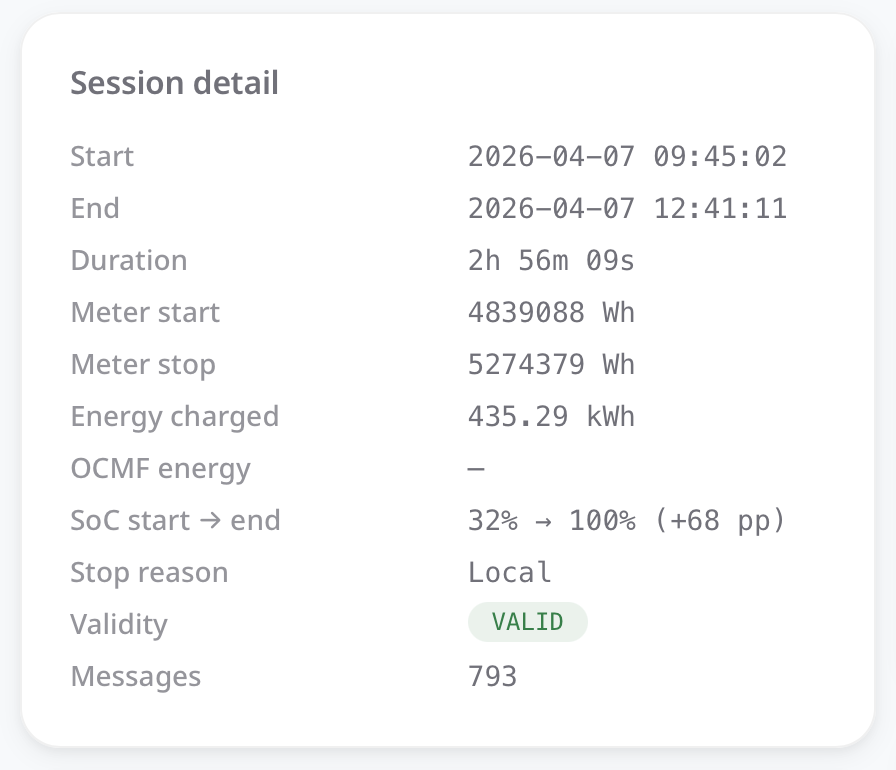
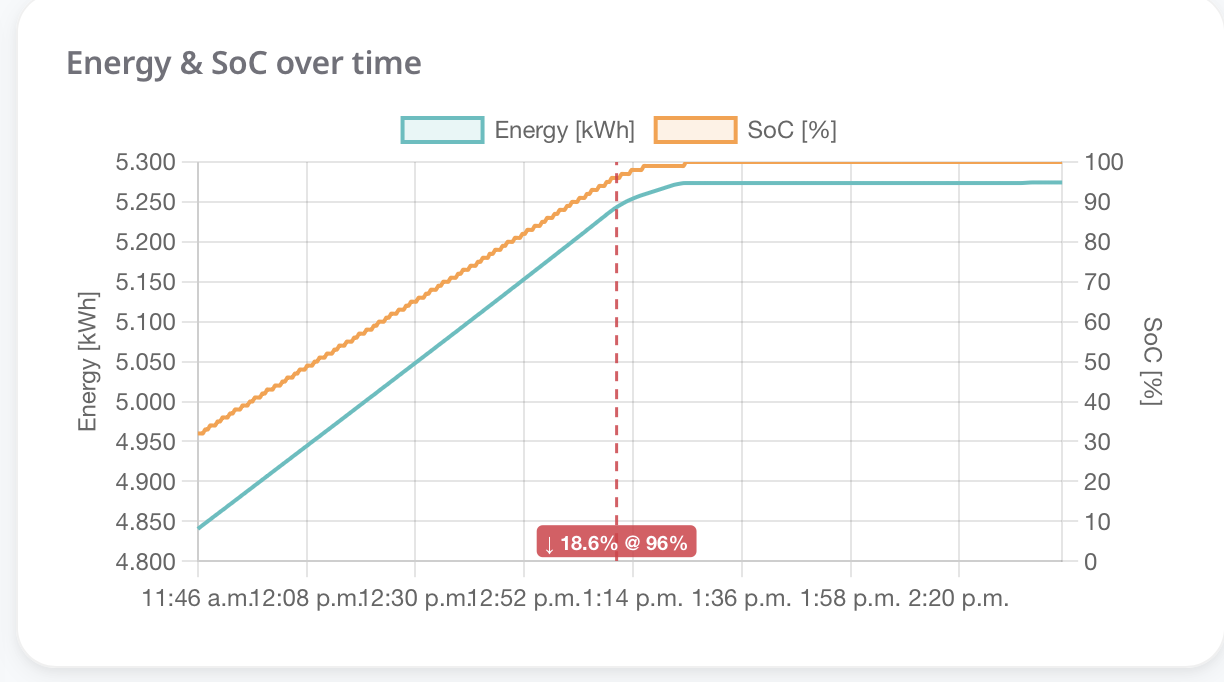
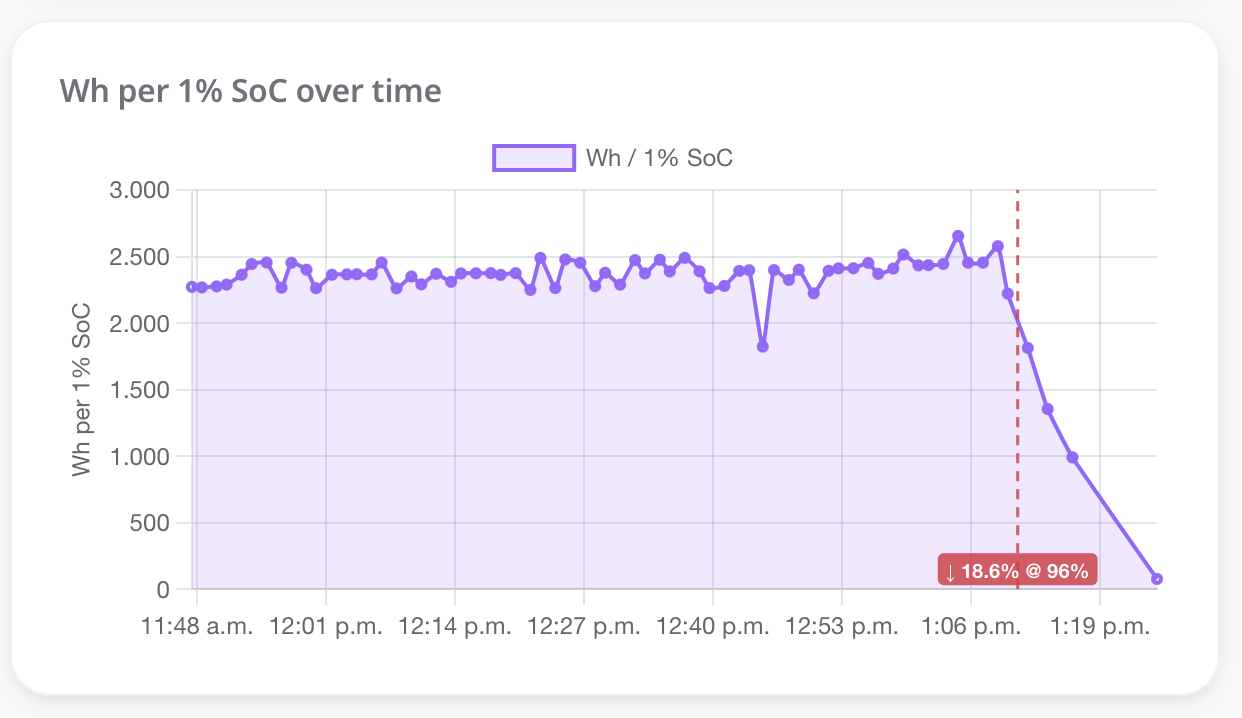
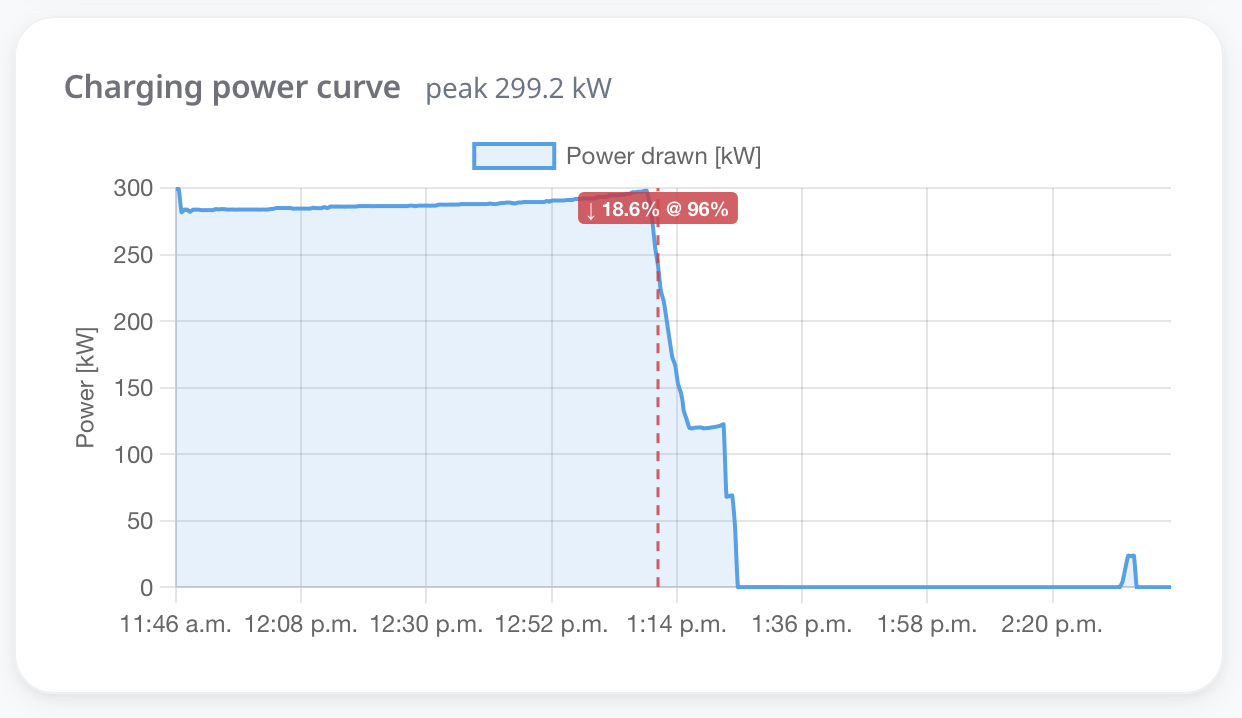
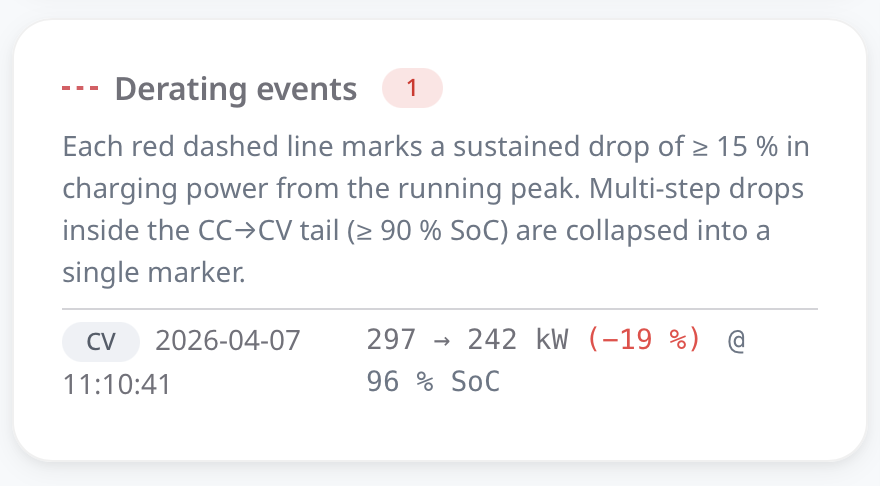
A real fast-charging session from the Pipelet broker. Every session generates this analysis automatically — no configuration, straight from OCPP messages and MeterValues. Validity, SoC and energy curve, Wh per 1 % SoC, power curve and automatically detected derating events.
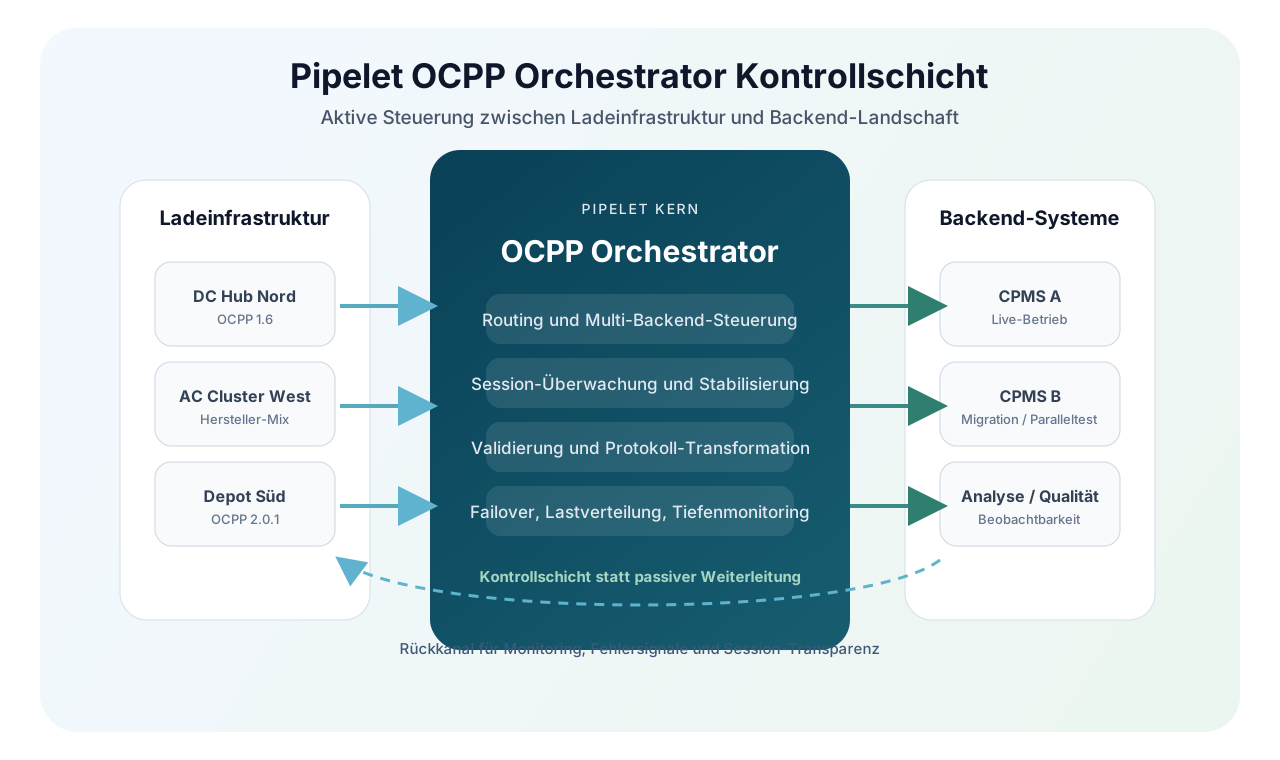
OCPP Broker is the scalable WebSocket gateway between charge points and your backend. Persistent sessions into the four-digit range per node, digital twin layer with complete state cache, smart proxy for protocol normalisation.
Multi-backend routing per charger, per group, or per site. Zero-downtime migration through parallel operation. Session stabilisation when field communication is unstable — running charging sessions are protected, not aborted.
For integrators and CPOs that need robust OCPP infrastructure without being locked into a monolithic CPMS. The broker runs independently — you combine it with Pipelet CPMS, your own backend, or both in parallel.
Complete state cache for every charge point. Query the twin instead of the hardware — faster, more stable, resource-friendly.
Route per charger, per group or per site to different backends. Failover on outage, parallel operation during migration.
Protocol normalisation between OCPP 1.6 and 2.0.1 — charger-specific quirks are absorbed centrally instead of per CPMS integration.
Running charging sessions survive network outages or backend glitches. Reconnect logic, message queue, automatic resync.
Legacy CPMS and new CPMS run in parallel. The broker routes 1% first, then 10%, then site by site — one click and the group is back on legacy if issues arise.
Five manufacturers, five OCPP dialects. The broker normalises, your CPMS never sees the quirks. Tests against a homogeneous protocol.
No public UI — the API is documented and testable via a free developer token. Ask us for a sandbox.
Home charging with three data sources — wallbox, CarData and PV inverter —, charging history and reimbursement: the EV-driver UI of the Pipelet suite.
Fleet management, driver management, RFID and billing for commercial EV fleets.
The new operator UI: sites, charger commands, vouchers, OCPI, billing.